The Evolution of Connected Parking Kiosks in Smart Cities
As America begins to drive again following the pandemic, the role of parking kiosks in cities has evolved. These kiosks are no longer just spaces for parking payment, but are now integral parts of smart city infrastructure. They are becoming connected hubs that not only provide parking solutions, but also serve as delivery hubs, last-mile transportation options, and even rental stations for bikes and scooters. This evolution is transforming the way we think about parking and mobility in urban areas.
With kiosks, buildings, and vehicles all sharing data and collaborating, cities are able to better manage traffic, reduce congestion, optimize energy use, and provide improved access to transportation options. This interconnected network of connected parking kiosks is laying the foundation for smart city infrastructure, paving the way for more efficient and sustainable urban living.
Maximizing Advertising Opportunities in Connected Parking Kiosks
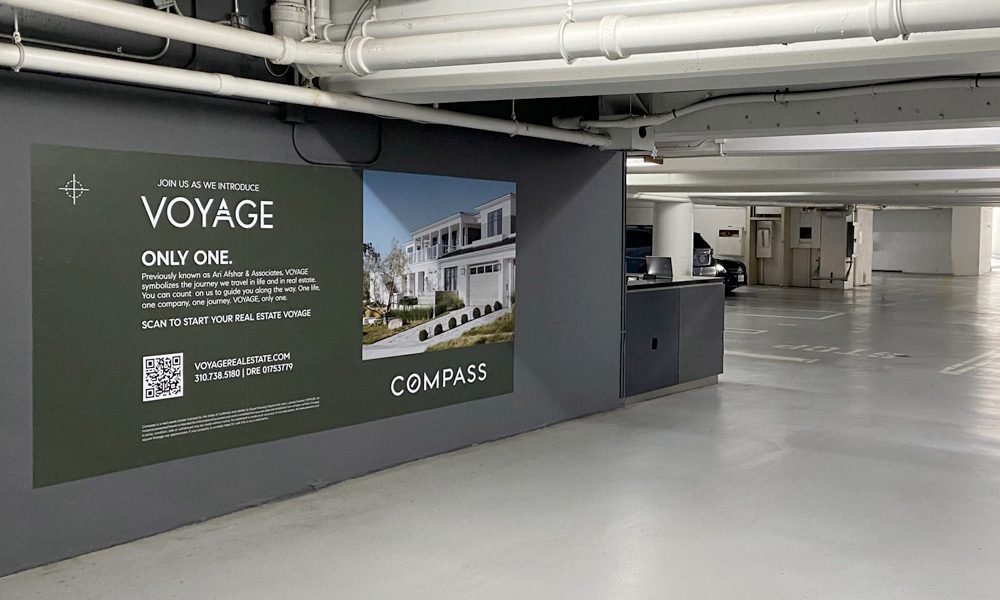
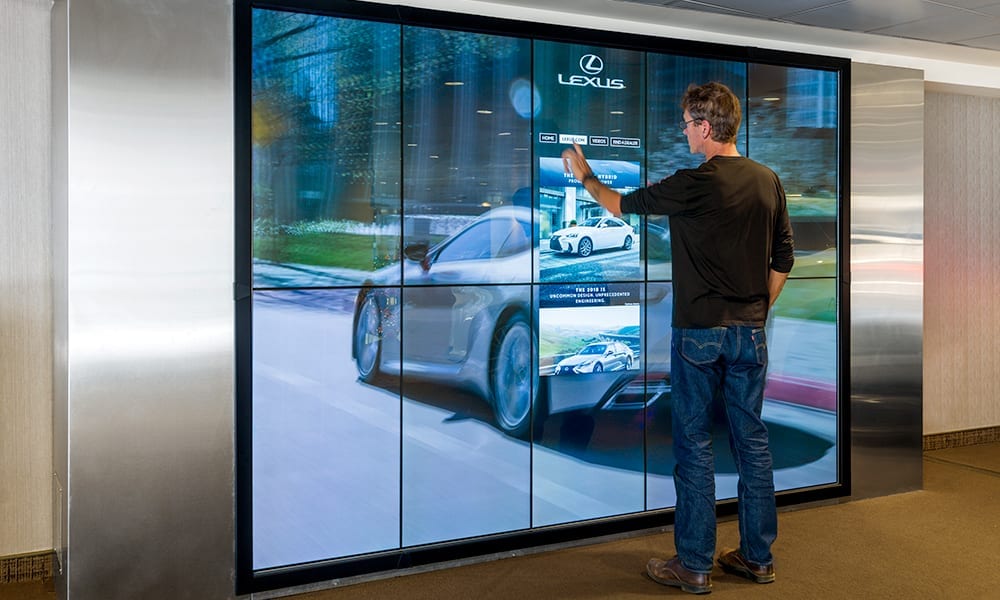
As the role of parking kiosks expands in smart cities, so do the advertising opportunities they present. Advertisers can now leverage the digital screens and data-sharing capabilities of these kiosks to reach a highly targeted audience of drivers and pedestrians. By strategically placing ads on connected parking kiosks, advertisers can engage with consumers in a meaningful way and drive brand awareness and sales. With the increasing use of digital out-of-home advertising, utilizing connected parking kiosks as advertising platforms can offer unique benefits and opportunities to tell a memorable story to a captive audience.
By understanding the evolving landscape of connected parking kiosks in smart cities, advertisers can tap into the growing potential of these spaces to reach their target audience effectively. As cities continue to invest in smart infrastructure, the advertising opportunities in connected parking kiosks will only continue to expand, offering a valuable platform for brands to connect with consumers in an impactful way.
The Evolution of Connected Parking Kiosks in Smart Cities
As America begins to drive again following the pandemic, the role of parking kiosks in cities has evolved. These kiosks are no longer just spaces for parking payment, but are now integral parts of smart city infrastructure. They are becoming connected hubs that not only provide parking solutions, but also serve as delivery hubs, last-mile transportation options, and even rental stations for bikes and scooters. This evolution is transforming the way we think about parking and mobility in urban areas.
With kiosks, buildings, and vehicles all sharing data and collaborating, cities are able to better manage traffic, reduce congestion, optimize energy use, and provide improved access to transportation options. This interconnected network of connected parking kiosks is laying the foundation for smart city infrastructure, paving the way for more efficient and sustainable urban living.
Maximizing Advertising Opportunities in Connected Parking Kiosks
As the role of parking kiosks expands in smart cities, so do the advertising opportunities they present. Advertisers can now leverage the digital screens and data-sharing capabilities of these kiosks to reach a highly targeted audience of drivers and pedestrians. By strategically placing ads on connected parking kiosks, advertisers can engage with consumers in a meaningful way and drive brand awareness and sales. With the increasing use of digital out-of-home advertising, utilizing connected parking kiosks as advertising platforms can offer unique benefits and opportunities to tell a memorable story to a captive audience.
By understanding the evolving landscape of connected parking kiosks in smart cities, advertisers can tap into the growing potential of these spaces to reach their target audience effectively. As cities continue to invest in smart infrastructure, the advertising opportunities in connected parking kiosks will only continue to expand, offering a valuable platform for brands to connect with consumers in an impactful way.